Trezor.io/Start – Complete Guide to Setting Up Your Trezor Hardware Wallet
As cryptocurrency adoption continues to grow, so does the importance of protecting digital assets. Unlike traditional financial systems, cryptocurrency gives users full ownership of their funds—but with that ownership comes responsibility. One of the safest ways to secure crypto assets is by using a hardware wallet, and Trezor is among the most trusted brands in the industry.
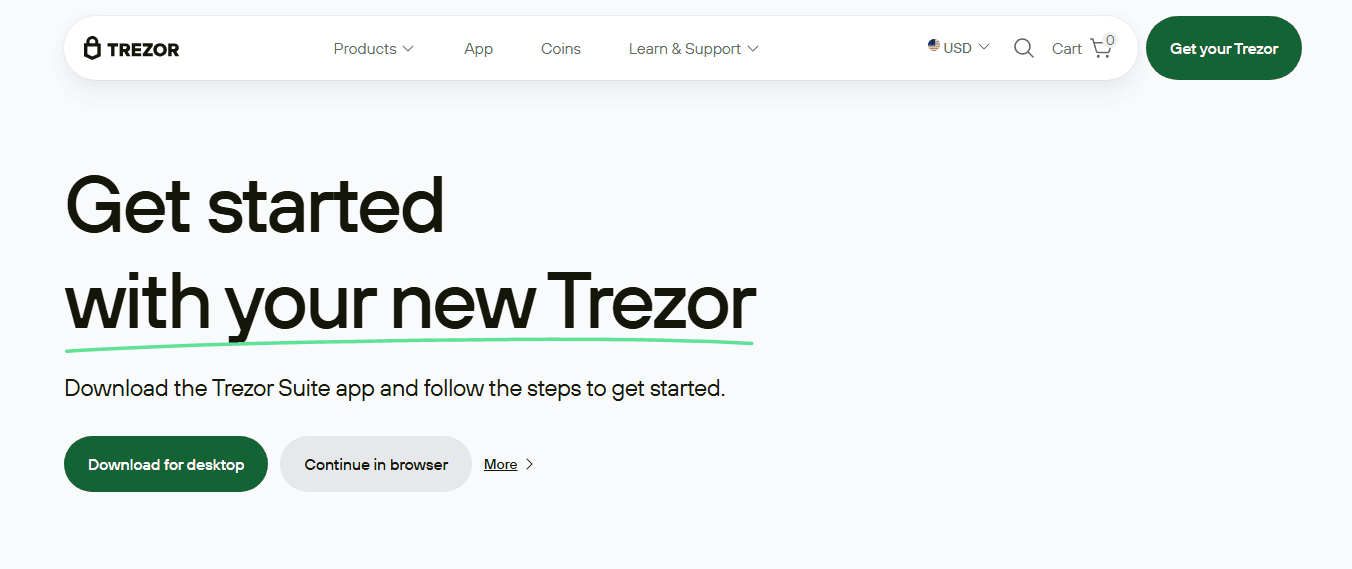
Trezor.io/start is the official starting point for setting up any Trezor hardware wallet. This page ensures users follow the correct, secure process to initialize their device, install official software, and safeguard their recovery seed. This guide explains everything you need to know about Trezor.io/start, from setup to long-term security.
Understanding Trezor Hardware Wallets
A Trezor hardware wallet is a physical device designed to store cryptocurrency private keys offline. By keeping private keys disconnected from the internet, Trezor protects users from online threats such as hacking, malware, phishing attacks, and unauthorized access.
Trezor wallets are developed by SatoshiLabs, a company known for its strong focus on transparency and open-source security. Trezor supports thousands of cryptocurrencies and is widely used by beginners and experienced crypto users alike.
Popular Trezor Models
Trezor Model One – Affordable, reliable, and beginner-friendly
Trezor Model T – Advanced features, touchscreen, and Shamir Backup support
Both models are initialized using the official setup page: Trezor.io/start.
What Is Trezor.io/Start?
Trezor.io/start is the official onboarding webpage created by Trezor to guide users through the safe setup of their hardware wallet. It is the only recommended source for:
Installing Trezor Suite
Updating or installing firmware
Creating a new wallet
Recovering an existing wallet
Learning how to protect recovery seeds
Using this page ensures that users are interacting with legitimate Trezor software and not malicious copies.
Why Using the Official Trezor.io/Start Page Is Critical
Cybercriminals often create fake websites that look identical to legitimate wallet setup pages. Their goal is to trick users into entering recovery seeds or installing compromised software.
Using Trezor.io/start protects you by ensuring:
Authentic firmware installation
Verified Trezor software downloads
Correct wallet creation process
Reduced risk of phishing scams
Always manually type trezor.io/start into your browser and avoid clicking third-party links.
Preparing for Trezor Setup
Before starting the setup process, make sure you have the following ready:
A new or factory-reset Trezor device
A desktop or laptop computer (Windows, macOS, or Linux)
Internet connection
USB cable
Pen and paper to write down your recovery seed
A private and secure environment
Never store your recovery seed digitally or share it with anyone.
Step-by-Step Setup Using Trezor.io/Start
Step 1: Visit Trezor.io/Start and Connect Your Device
Go to Trezor.io/start and choose your Trezor model. Connect your device to your computer using the supplied cable. Your device screen will display instructions to continue.
Brand-new devices do not come with pre-installed firmware, which is intentional for security reasons.
Step 2: Download and Install Trezor Suite
Trezor.io/start will guide you to download Trezor Suite, the official wallet management software. Trezor Suite allows users to:
Manage multiple crypto accounts
Send and receive cryptocurrency
View transaction history
Adjust security settings
Install firmware updates
Only download Trezor Suite from the official website to avoid fake or compromised software.
Step 3: Install or Update Firmware
Firmware is the software that runs directly on the Trezor device. During setup, Trezor.io/start will prompt you to install the latest firmware version.
Key points:
Firmware must be installed manually during first use
Updates improve security and compatibility
Firmware authenticity is verified on the device screen
Always confirm firmware installation directly on your Trezor device.
Step 4: Create a New Wallet or Recover an Existing One
You will now choose between two options:
Create a New Wallet
This option generates a brand-new wallet with a unique recovery seed. Choose this if you are new to Trezor or setting up a fresh wallet.
Recover an Existing Wallet
Use this option if you already have a recovery seed and want to restore access to your funds.
Recovery words are entered directly on the device, not on the computer, ensuring maximum security.
Step 5: Generate and Secure Your Recovery Seed
Your Trezor device will display a 12-word or 24-word recovery seed. This seed is the most important part of your wallet.
Best practices for recovery seed storage:
Write each word down carefully in order
Use only pen and paper
Never take photos or screenshots
Never upload the seed online
Never share it with anyone
Your recovery seed can restore your wallet even if your device is lost or destroyed.
Step 6: Confirm the Recovery Seed
To ensure accuracy, Trezor.io/start will ask you to confirm selected recovery words. This step verifies that you recorded the seed correctly.
If errors occur, restart the process and generate a new wallet.
Step 7: Set a Secure PIN Code
Next, you will create a PIN code for your Trezor device. The PIN adds protection against unauthorized physical access.
PIN entry uses randomized number placement
Multiple failed attempts result in increasing delays
Choose a PIN that is difficult to guess but memorable
Never store your PIN with your recovery seed.
Using Your Trezor Wallet After Setup
Once setup is complete, your wallet is ready for daily use through Trezor Suite.
Sending Crypto
Connect your Trezor device
Enter transaction details in Trezor Suite
Verify the address and amount on the device screen
Confirm the transaction physically
Receiving Crypto
Generate a receiving address
Verify the address on the device screen
Share the address with the sender
Always confirm addresses on the hardware device itself.
Supported Cryptocurrencies
Trezor supports a wide range of digital assets, including:
Bitcoin (BTC)
Ethereum (ETH)
Litecoin (LTC)
Cardano (ADA)
Polygon (MATIC)
ERC-20 tokens
Many additional altcoins
Supported assets may vary depending on model and firmware version.
Advanced Security Features in Trezor
Passphrase Protection
Adds an extra layer of security by creating hidden wallets linked to custom passphrases.
Hidden Wallets
Each passphrase generates a separate wallet, offering enhanced privacy and plausible deniability.
Shamir Backup (Model T)
Splits the recovery seed into multiple shares, reducing single-point failure risks.
Common Mistakes to Avoid During Setup
Many users lose funds due to avoidable errors. Avoid the following:
Using unofficial setup websites
Sharing recovery seeds with anyone
Storing recovery seeds digitally
Buying used or tampered devices
Ignoring firmware updates
Trezor.io/start exists to guide users safely through these risks.
What Happens If You Lose Your Trezor?
If your Trezor device is lost, stolen, or damaged:
Your cryptocurrency remains safe
Funds can be restored using the recovery seed
Anyone without the recovery seed cannot access your wallet
This is why protecting the recovery seed is more important than protecting the device itself.
Why Millions Trust Trezor
Trezor has earned global trust through:
Open-source transparency
Strong security design
Years of proven reliability
Regular firmware updates
Active community and developer support
Trezor.io/start is the foundation of this trusted ecosystem.
Conclusion: Why Trezor.io/Start Matters
Trezor.io/start is not just a setup page—it is the gateway to true crypto self-custody. By following the official process carefully, users gain full control over their digital assets while minimizing security risks.